


Heatwaves, drought, dry vegetation, and sustained winds increase the risk of fires starting and spreading. In timber-framed buildings, protecting the structure, compartmentalizing, and choosing appropriate materials, particularly for insulation, are essential points of vigilance, ROCKWOOL reminds us.

Wood is gradually becoming the preferred material in new construction and renovation thanks to its lightness, structural performance, and generally lower carbon footprint compared to some traditional materials. However, it remains a combustible material, and fire risk must be considered from the initial design stage of the building.
The safety of a timber-framed building does not depend on a single product. It relies on the overall design of the structure, structural protection, compartmentalization, joint treatment, and quality of workmanship. ROCKWOOL identifies seven key areas to consider to limit the spread of fire.
1. Integrate fire risk from the design stage
Compliance with building standards does not negate the need for a thorough risk analysis. When exposed to fire, wood can burn and contribute to the spread of the blaze.
The design must therefore include provisions for protecting load-bearing elements, compartmentalizing spaces, and using materials capable of limiting the spread of flames. These measures aim in particular to preserve the structure's stability for longer and to facilitate the evacuation of occupants.
2. Choose an insulation material that does not contribute to fire
Insulation materials exhibit different behaviors when exposed to flames. Some combustible materials may ignite, produce smoke, or contribute to the spread of the fire.
The choice of insulation should therefore not be based solely on its thermal performance or price. According to ROCKWOOL, rock wool is non-combustible, does not ignite, and withstands temperatures exceeding 1.000°C. Used in walls, facades, floors, or roofs, it can help slow the spread of fire.
3. Check the Euroclass of the materials
The Euroclass provides information on the reaction to fire of a construction product. The European classification ranges from A1, for materials that do not contribute to fire, to F, for the most combustible products or those whose performance has not been determined.
In sensitive areas of a building, ROCKWOOL recommends prioritizing materials classified A1 or A2. The classification must be verified in the declaration of performance and the technical documentation of the product concerned.
4. Strengthen the protection of sensitive areas
In a timber construction, several parts of the structure require special attention:
- the facades;
- the roofs;
- the floors;
- the partitions;
- technical ducts;
- the junctions between the different structural elements.
Appropriate protection of these areas can slow the progression of fire, protect load-bearing elements for longer and reduce the risk of rapid collapse.
5. Guarantee the quality and continuity of the installation
The performance of insulation also depends on its installation. Unprotected spaces, discontinuities in the insulation, or insufficient treatment of joints can reduce the effectiveness of the fire safety system.
In both new construction and renovation, installation must comply with the manufacturer's instructions and the rules applicable to the building system. Using qualified professionals allows for better control of critical points and continuity of protection.
6. Prioritize occupant safety
When a fire breaks out, the speed at which it spreads directly influences the time available to react. Using materials that do not contribute to the fire's development can provide additional time to:
- raise the alarm;
- evacuate the occupants;
- to facilitate the intervention of emergency services;
- limit the damage caused to the structure.
This passive protection complements the other safety measures provided in the building. It does not replace detection and alarm equipment or compliance with design and evacuation rules.
7. Reconciling fire safety and environmental performance
The use of lower-carbon materials should not lead to a reduction in building safety. Combining wood and rock wool can meet several objectives: reducing the building's carbon footprint, enhancing fire protection, retaining heat in winter and coolness in summer, while also improving sound insulation.
ROCKWOOL also emphasizes that rock wool can be recycled and reintegrated into a circular economy approach. However, take-back or recycling options must be assessed based on the specific products, their condition after removal, and the available recycling channels.
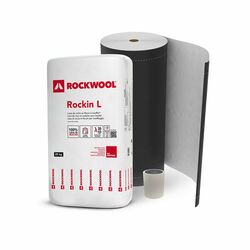
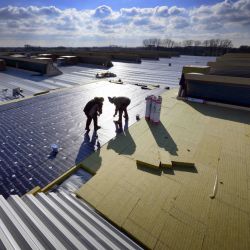
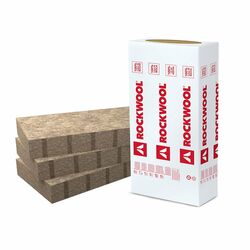
Selection of products

To read also
-
 PRB launches its new brochure "Historia": the reference guide for the preservation and enhancement of historic buildings
-
 Beware of falsehoods regarding the obligation to install a thermostat
-
 Why choose professional LED lighting in 2025?
-
 Heat wave? How to use your heat pump to cool your home this summer


Popular News


Publi-editorial
-
 Work simulator: how to evaluate your energy renovation project after the MaPrimeRénov' reform?
-
 Rely on the Reef and Bati CCTP to comply with regulations
-
 Quickly finance renovations: how to effectively prepare your online application?
-
 Diamond wire sawing: Mateloc pushes the boundaries of concrete cutting in Western France